
When several sellers offer the same product, the cheapest listing is not always the safest choice. A small price difference can disappear quickly if the product arrives late, the wrong option is shipped, the item is damaged, or the return process becomes difficult.
A better way to choose a seller is to ask one practical question: which seller reduces the biggest risk of this purchase?
For everyday items, that risk may be late delivery. For branded or expensive products, it may be authenticity and warranty. For products with many model options, the main risk may be ordering the wrong size, voltage, version, or component set.
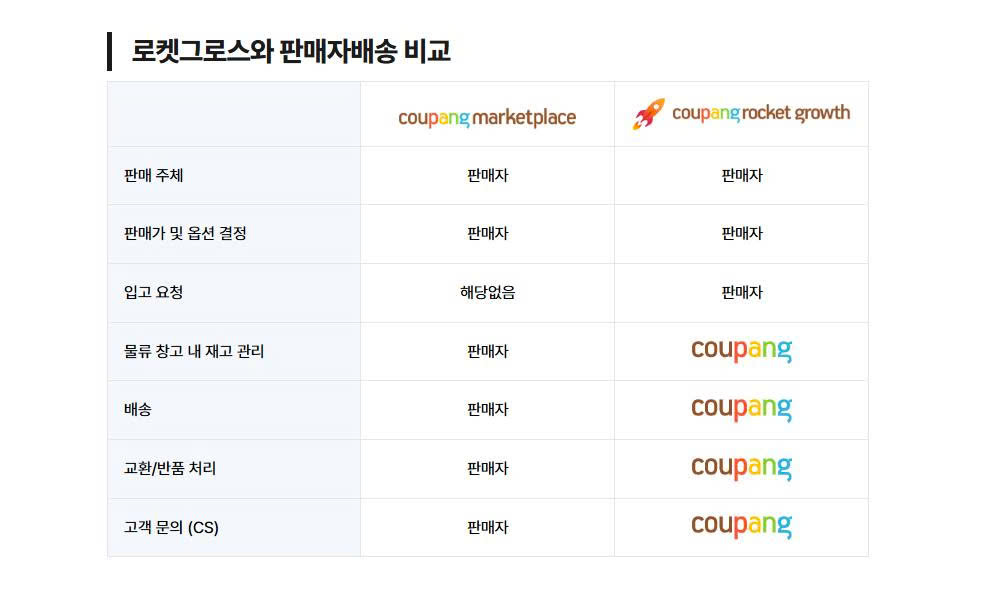
Delivery Responsibility Behind Each Shipping Badge
The shipping badge on a marketplace page is useful, but it is not enough. Buyers should check who is actually responsible for shipping, returns, and compensation if something goes wrong.
A platform-direct delivery item may have a more standardized process because the platform handles storage, shipping, customer service, and returns. A seller-direct delivery item depends more heavily on the seller’s own packing, dispatch speed, and return handling. A third-party logistics item may be shipped by a warehouse partner, but the seller may still be responsible for product accuracy, stock information, and return approval.
On Coupang, for example, Rocket Delivery and Rocket Growth can make delivery and returns more predictable. Coupang explains that Rocket Growth allows marketplace sellers to send inventory to Coupang logistics centers, after which Coupang handles fulfillment steps such as storage, delivery, returns, and customer service. However, this does not automatically prove that the seller described the item correctly, supplied an authentic product, or provided manufacturer warranty support.
Before paying, the buyer should check the seller name, shipping company, invoice issuer, return address, return approver, and the process for loss, damage, or wrong delivery. For urgent, fragile, or high-value purchases, this responsibility chain can matter more than a small discount.
Seller Answers as Evidence of Product Knowledge
A fast reply is not always a useful reply. The better test is whether the seller can answer a question that prevents a real purchasing mistake.
Instead of asking a vague question like “Is this good?” ask something verifiable: “Is this the exact model ABC-123, shipped from Korea, and does it include the Korean power adapter?” A reliable answer should confirm the model, shipping location, and included component directly.
Weak answers often repeat the product title, tell the buyer to read the description, or avoid confirming details that should be known before purchase. If different agents give different answers, repeat the same copy-paste phrase, or change the delivery promise after payment, that is a warning sign.
For compatibility-sensitive products, the seller’s answer may matter more than the rating score. A seller who clearly confirms model code, size, voltage, included parts, and warranty provider is usually safer than a seller with many sales but vague replies.
Recent Sales History and Product Relevance
High cumulative sales can be reassuring, but it should not be treated as proof by itself. The seller may have many past sales in a different category, while the current item has little recent transaction history.
Recent reviews are more useful than old totals. The buyer should read the newest low-rated reviews first and look for repeated issues: wrong options, used items sold as new, missing parts, poor packaging, delayed dispatch, difficult refunds, or warranty denial.
Review quality also matters. Reviews with real photos, option names, delivery timing, and specific product details are more useful than short repeated comments. A sudden spike in similar reviews over a short period should be treated carefully, especially for expensive or branded items.
The most useful sales history is recent, product-relevant, and consistent. A seller with fewer but detailed recent reviews on the exact item may be safer than a high-volume seller whose reviews mostly come from unrelated products.
Seller Signal Priority by Purchase Risk
Do not weigh all seller signals equally. The main purchase risk should decide what matters most.
| Purchase Situation | Most Important Signal | Secondary Check |
|---|---|---|
| Urgent daily item | Fulfillment reliability | Recent delivery complaints |
| Expensive branded item | Seller identity, origin, warranty | Authenticity complaints |
| Compatibility-sensitive item | Specific answer to model or component question | Reviews from same-option buyers |
| Fragile or bulky item | Packing and damage-return responsibility | Recent damage reviews |
| Low-cost replaceable item | Total price and basic return protection | Seller history can matter less |
| New or low-volume seller | Clear listing and useful answer | Start with low-value purchase |
A low-volume seller is not automatically unreliable. It can still be acceptable for a low-risk purchase if the listing is clear, the response is specific, payment stays inside the marketplace, and the return process is visible.
Marketplace Payment Safety
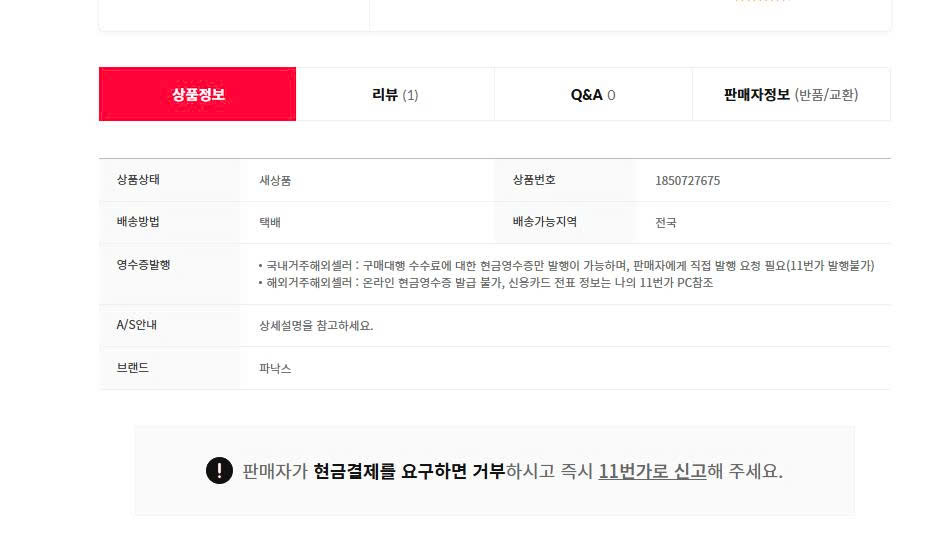
Do not pay outside the platform. If a seller requests direct cash payment, bank transfer, or off-platform settlement, reject the request and report it.
Korean marketplaces such as 11st display warnings telling buyers not to comply when sellers request cash payment outside the platform. Keeping payment and messages inside the marketplace gives you a clearer record if delivery, cancellation, or refund problems occur.
Final Seller Selection Standard
Choose the seller whose process reduces the biggest risk of the purchase.
For a cheap daily item, that may mean faster platform fulfillment. For an expensive branded product, it may mean a seller with clear origin and warranty evidence. If buying that product requires early access to long-term savings, How Liquidity and Early Termination Conditions Affect the Use of Deposits, Insurance, and Investment Products for Long-Term Funds can help determine whether withdrawal restrictions, reduced interest, surrender charges, or lost benefits make the purchase more expensive than it first appears. For a model-specific item, it may mean the seller who gives the most concrete and consistent answer.
The best seller is not always the cheapest, largest, or fastest. It is the seller whose delivery responsibility, product knowledge, return terms, and recent behavior make the purchase least likely to go wrong.
Sources to verify before publication: Coupang Rocket Delivery/Rocket Growth policy pages, 11st product-page safety notices, platform return policies, and Korea’s current Electronic Commerce Consumer Protection Act through the National Law Information Center.