
A product may show an attractive interest rate or expected return, but the result can change quickly if the money is needed earlier than planned.
For long-term money in Korea, the first question should not be “Which product has the highest return?” It should be:
When will I need this money, and how much will I actually receive if I exit early?
Deposits, insurance, and investment products all handle early exits differently. A bank deposit may simply pay less interest. A savings insurance policy may return less than the premiums paid. An investment fund may be sold at a loss, and the cash may not arrive immediately.
Match the Product to the Spending Date
Even long-term money usually has a real use date: housing, education, retirement, business capital, or family expenses. The product should match that timeline.
| When the Money May Be Needed | More Suitable Direction |
|---|---|
| At any time | Liquid account, parking account, or short-term savings |
| On a fixed date | Deposit matched to that maturity date |
| Long term, but exit date is flexible | Diversified investment fund or ETF |
| Long-term protection or retirement-income need | Insurance, only after checking surrender values |
Money for emergencies or a fixed payment date should not be locked into a product where the value or withdrawal date is uncertain. For example, money needed for a housing deposit should usually be kept in a predictable product, not in a fund that may fall right before the payment date.
What Happens If You Exit Early?
The main difference between product types is not only return. It is what happens when the plan changes.
| Product Type | Main Early-Exit Result | What to Check First |
|---|---|---|
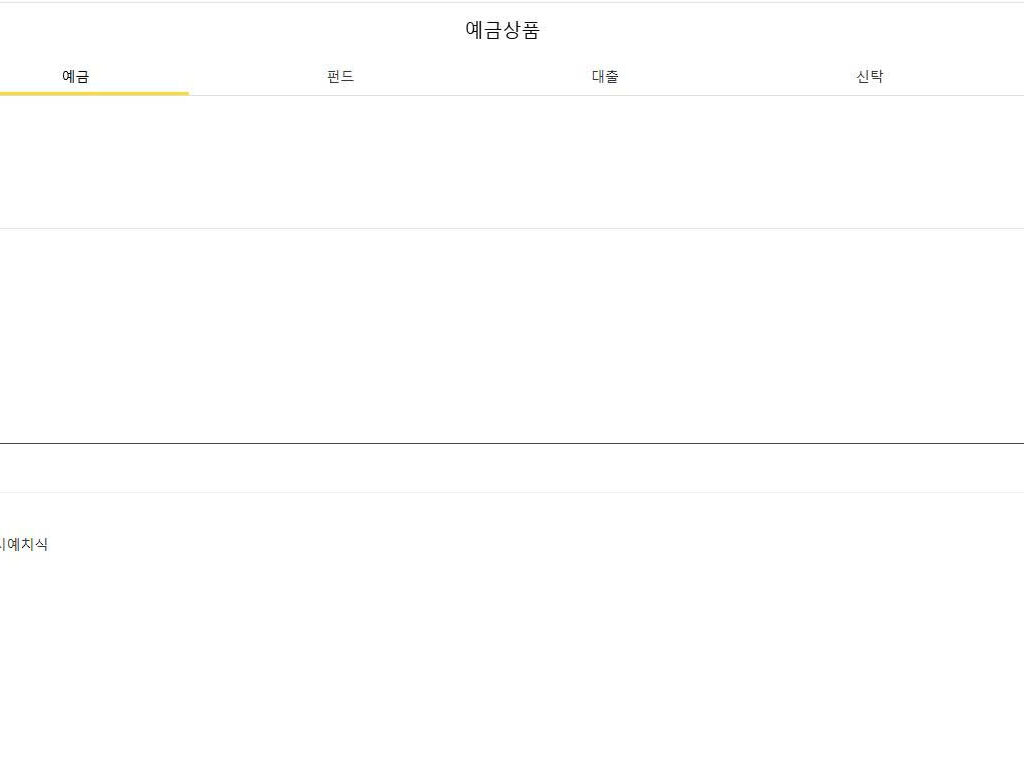
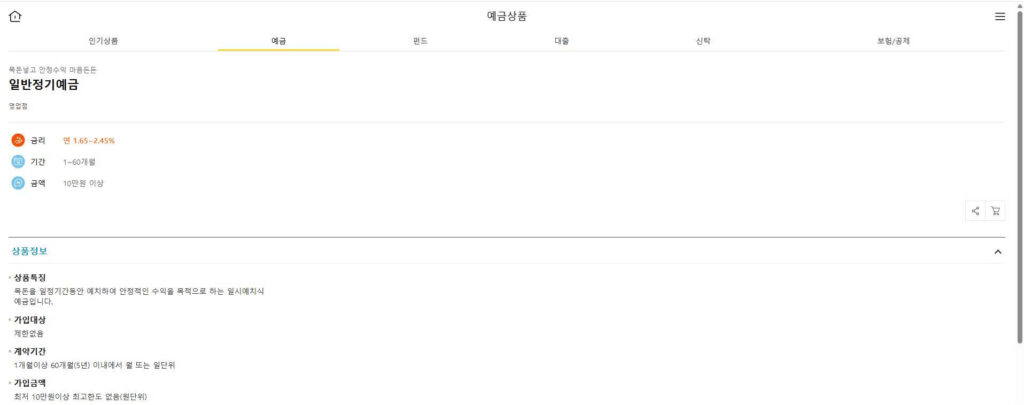
| Fixed-term deposit | Interest is reduced through 중도해지이율 |
Early-termination rate and partial withdrawal rules |
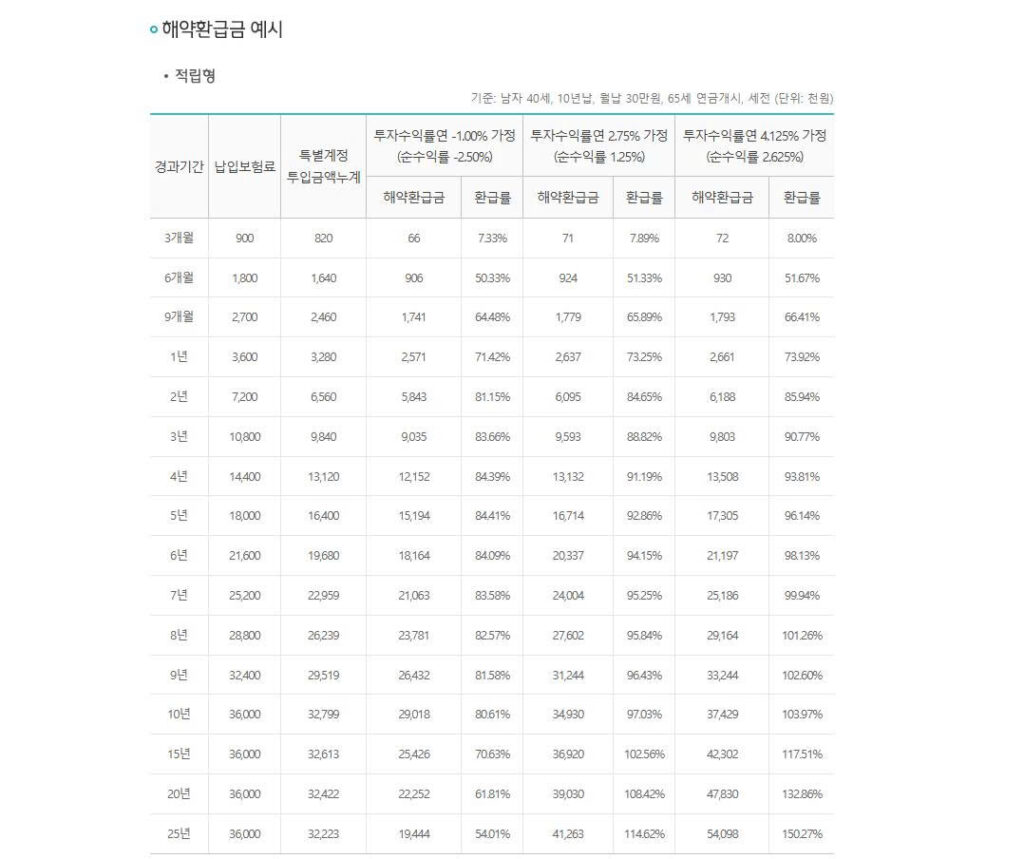
| Savings or annuity insurance | 해약환급금 may be lower than premiums paid |
Surrender-value table by policy year |
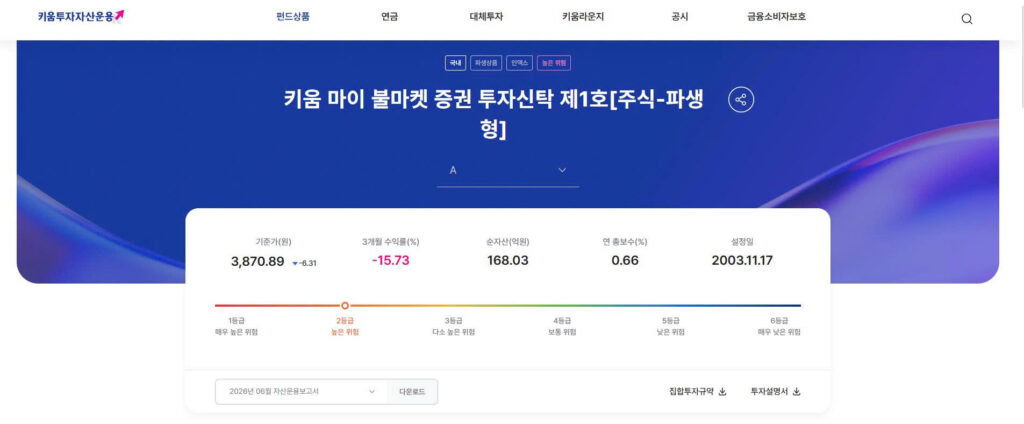
| Investment fund or ETF | Value depends on market price when sold | Redemption date, payment date, fees, and market risk |
With deposits, principal is usually not reduced by early closure, but the maturity rate may no longer apply. Deposit protection and early withdrawal are separate issues: a protected deposit can still pay very little interest if closed early.
With insurance, the key figure is 해약환급금, not the projected maturity value. In the early years, part of the premium goes to insurance coverage and contract costs, so cancellation can create a real loss.
With investment products, redemption may be easier than insurance, but the value is not guaranteed. Some funds also take several business days to pay proceeds after the redemption request, especially overseas or less-liquid funds.
Emergency Funds Change the Decision
The same product can be reasonable for one person and risky for another depending on emergency savings.
If a person already has separate emergency funds, they may be able to hold a long-term product without touching it. If they do not, the same product becomes much riskier because unexpected medical costs, income interruption, or family expenses may force early termination.
A simple order of use is better:
- Use emergency cash first.
- Use short-term deposits or liquid accounts next.
- Consider partial withdrawal or loan options before full termination.
- Terminate long-term insurance or sell long-term investments only after comparing the real cost.
This keeps long-term products from becoming the first source of cash for short-term problems.
Full Termination Is Not Always the Only Option
When cash is needed temporarily, closing the entire product may be more expensive than necessary.
For deposits, compare early closure with a deposit-secured loan if available. For insurance, check whether the policy allows a policy loan, premium deferral, reduced coverage, reduced paid-up insurance, or partial withdrawal. For funds, partial redemption may provide enough cash without selling the entire position.
Before deciding, compare four numbers:
- Cash needed now
- Net amount received after termination
- Cost of borrowing or partial withdrawal
- Value of the interest, coverage, tax benefit, or investment position that would be lost
The goal is not always to avoid termination. The goal is to avoid terminating more than necessary.
Do Not Ignore Tax and Renewal Conditions
Some long-term products look attractive because of tax benefits. But those benefits may depend on holding period, withdrawal reason, account type, and legal requirements.
Before exiting early, check whether tax benefits are reduced, recovered, or lost. This matters especially for savings insurance, ISA, pension savings funds, and retirement-related accounts.
Also check what happens at maturity. Automatic renewal or re-subscription may not use the same rate, cost, or conditions as the original contract. Investment products also carry reinvestment risk: the market price may be unfavorable when you need to sell or re-enter.
Final Checklist Before Choosing a Long-Term Product
Before joining, confirm these items in the product description, terms, or investment prospectus:
- When the money may actually be needed
- How many business days it takes to receive cash
중도해지이율for deposits해약환급금by year for insurance- Redemption and payment schedule for funds
- Whether partial withdrawal, policy loan, or payment deferral is possible
- Whether tax benefits are lost through early termination
- Whether maturity extension or re-subscription terms can change
Liquidity is not a minor detail. It can decide whether a long-term product works or fails.
Deposits are usually better for money that needs predictable value. Insurance should be used only when the long-term protection or annuity function is actually needed, and only after checking surrender values. Investment products may suit long-term money with a flexible exit date, but they should not be used for money that must be available in full on a specific date.
The best product is not the one with the highest advertised return. It is the one that still works if your cash needs change.
Sources to verify before publication: Financial Services Commission/KDIC deposit protection rules, product terms from banks and insurers, fund prospectuses, and current tax guidance from official Korean sources such as FSC, FSS, KDIC, and NTS.