
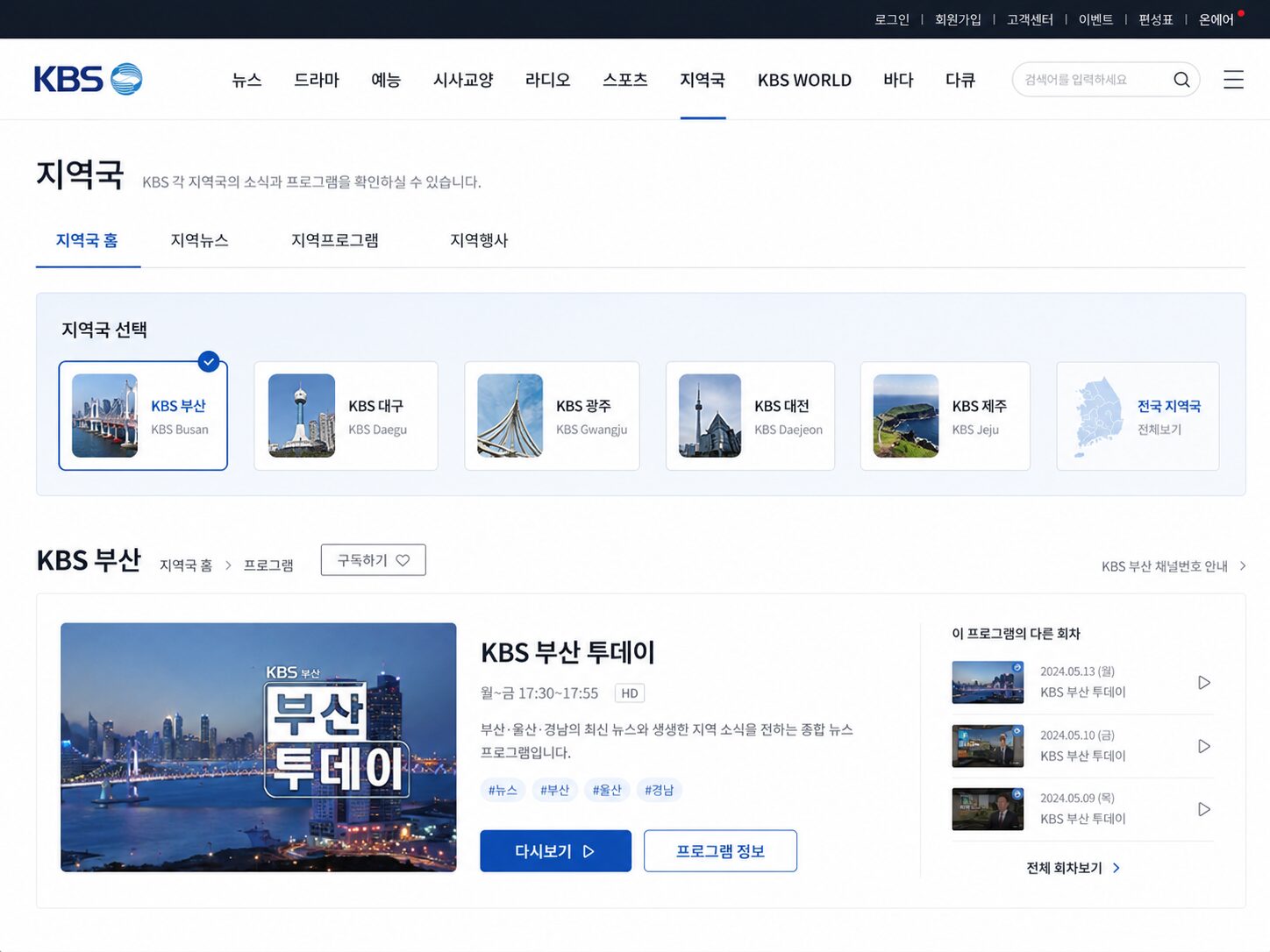
A regional program that aired on local television may not immediately appear in the replay catalog of a nationwide IPTV or Video-On-Demand (VOD) service. The absence of an episode rarely indicates a technical error; rather, it reflects the complex ecosystem of regional broadcasting rights, platform distribution contracts, and varied upload schedules.
Locating a specific local broadcast requires moving beyond basic search functions. A structured approach involves verifying the original production station, understanding platform distribution differences, and recognizing the contractual timelines that govern VOD availability.
Identification Protocols for Original Schedules and Program Titles
Before searching an IPTV catalog, establishing the exact origin of the broadcast prevents confusion caused by title variations or bundled programming formats used on nationwide platforms.
Verification Criteria for Production Station and Broadcast Logistics
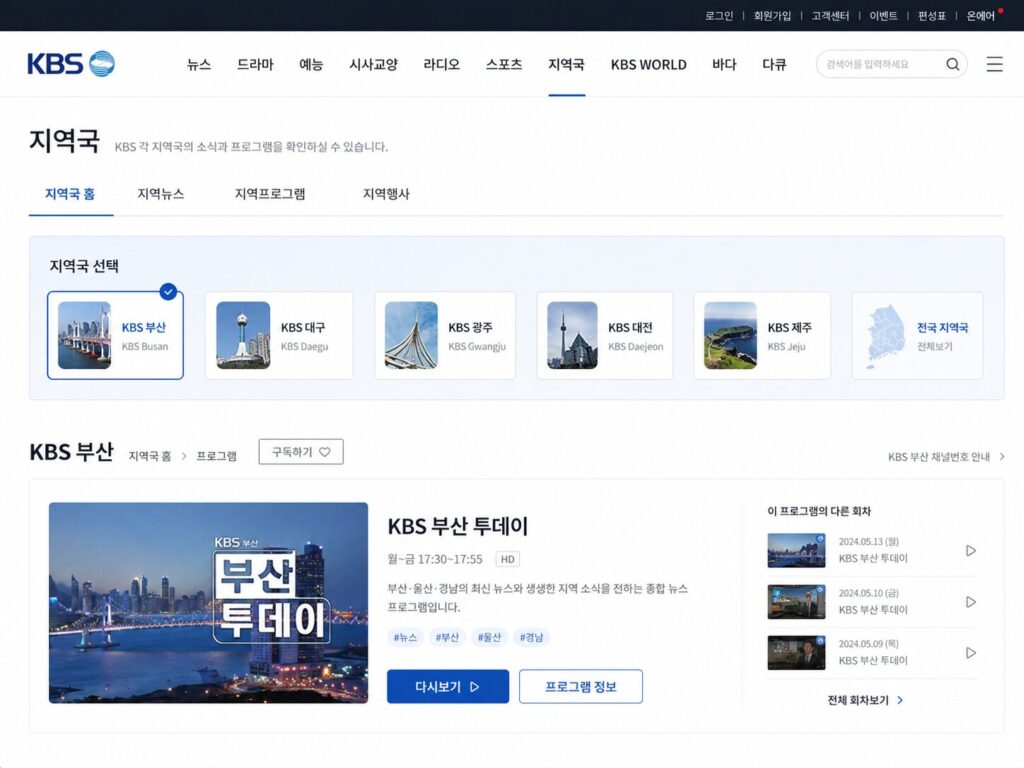
A program airing on a national network channel may have been produced by an independent local affiliate. For example, a documentary broadcast on the KBS network might originate from KBS Busan, KBS Daegu, or KBS Jeju. Rather than searching solely for a generic program title, viewers must verify the specific production station, exact broadcast date, and episode number using the local broadcaster’s official daily schedule.
Title Variations in Nationwide Bundled Programming
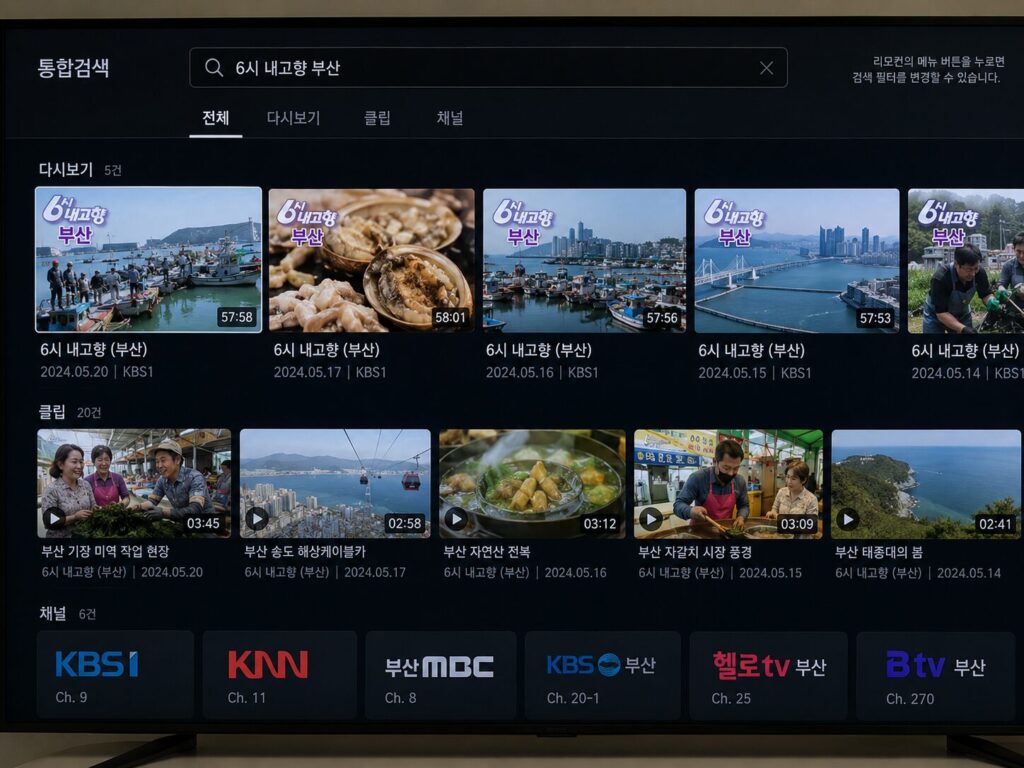
Local programs are frequently repackaged when distributed nationally. A segment aired independently in a specific region might be uploaded to a national VOD platform as part of a bundled news compilation or a broader current-affairs series. Comparing the episode description on the local station’s official schedule against the national VOD listing helps identify cases where the local segment operates under a different search title.
Distribution Discrepancies Between Original VODs and Affiliated Platforms
The platform where a viewer searches determines whether they find a full episode, a highlight clip, or an empty search result. Broadcasters distribute content through multiple tiers, each with distinct access rules.
Delivery Formats Across Provider Tiers
The availability of full episodes versus edited short clips varies significantly depending on the platform type.
| Platform Type | Typical Content Format | Access and Restriction Parameters |
| Broadcaster’s Official Homepage | Full episodes and news segments | Often requires user login; usually limited to regional IP addresses |
| Integrated Broadcast Platforms | Full episodes (Current and Archive) | Subscription-based (Paid); nationwide access with strict disclosure periods |
| Telecommunication IPTV VOD | Full episodes (Selected catalog) | Individual purchase or premium bundle; catalogs vary by provider contract |
| Portal Sites and Video Platforms | Short clips and highlight videos | Free public access; ad-supported; rarely contains full broadcasts |
Expiration Timelines and Contractual Disclosure Periods
VOD rights are not permanent. An affiliated IPTV service may hold distribution rights for only 30 days post-broadcast, whereas the original regional station’s homepage might archive the episode for a year. Viewers must check the “Availability End Date” (disclosure period) listed on the provider’s details page to understand why an episode is no longer accessible.
Processing Timelines and Nationwide Service Delays
Unlike live television, nationwide VOD services operate with built-in publication delays. The actual broadcast date and the VOD registration date rarely match.
Common Causes for VOD Upload Delays
Delays in VOD availability stem from post-production and legal requirements. Once a local broadcast concludes, the file often undergoes ad-editing to remove local commercials, subtitle synchronization for nationwide audiences, or digital rights management (DRM) processing. Viewers should consult the official notice boards of the VOD provider, which explicitly state whether local content is released immediately, subjected to a 24-hour delay, or uploaded only as partial episodes due to these processing requirements.
Functional Distinctions Between Network Reruns and On-Demand Replays
A common source of viewer confusion involves the difference between live channel reprogramming (reruns) and user-initiated VOD (replays).
Live Channel Reprogramming (Reruns)
A rerun is a scheduled rebroadcast on a linear national channel. The viewer has no control over the playback time. When searching an IPTV interface, reruns appear in the Electronic Program Guide (EPG) grid and are typically free to view at the scheduled time, provided the user subscribes to that specific channel tier.
User-Initiated On-Demand Replays (VOD)
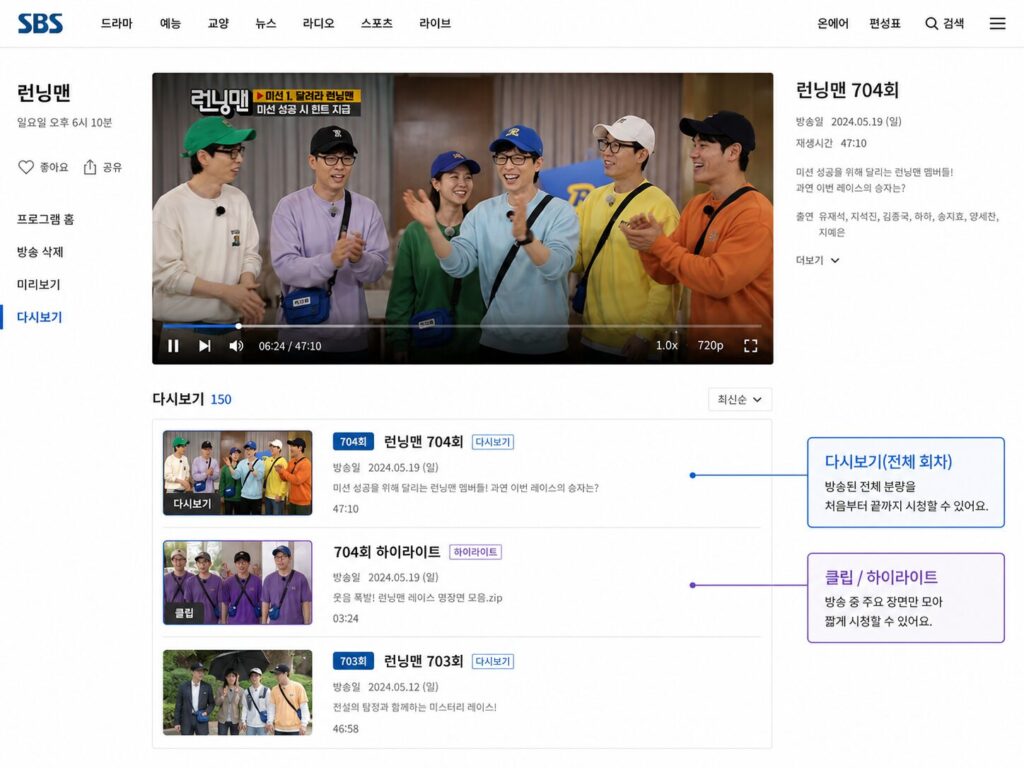
An on-demand replay allows the user to initiate playback at any time. In search results, these appear in the VOD catalog. Unlike linear reruns, on-demand replays frequently require an individual purchase (Pay-Per-View) or a premium subscription, even if the original live broadcast was free.
Legal Archival Routes Following Rights Expiration
When a VOD distribution contract expires, content disappears from mainstream IPTV catalogs. However, legal avenues for accessing expired content often remain available through alternative channels.
Discrepancies in Expiration Between Platforms
It is common for an episode to be removed from an affiliated IPTV service while remaining fully accessible on the original production company’s website. This occurs because third-party distribution rights expire faster than the producer’s internal archive rights.
Procedures for Locating Official Archives
When an episode is no longer visible on major VOD platforms, viewers should avoid searching for unofficial, unauthorized re-uploads. Instead, the most reliable procedure is to visit the original local broadcaster’s website or the independent production company’s official archive portal. These entities frequently maintain legal, long-term digital archives for older documentaries, regional news features, and specialized programming long after third-party telecommunication contracts have ended.